
MOE's AI Grading Tool (2026): A Parent's Guide to AI Essay Grading
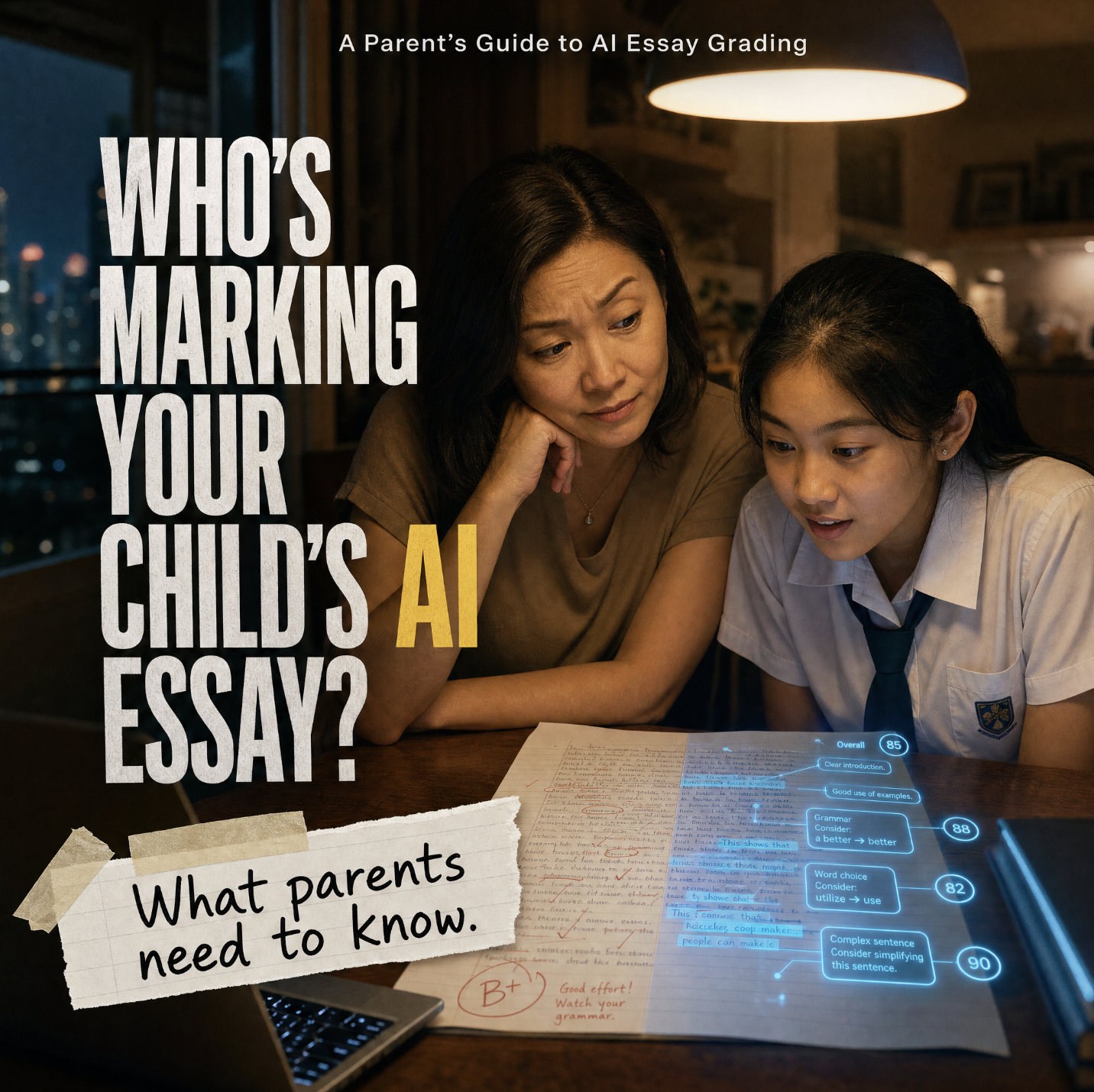
MOE’s new AI grading tool for essays: a 2026 guide for Singapore parents
Singapore’s Ministry of Education (MOE) is now piloting an AI grading tool named Markly to help teachers mark essays and provide feedback faster. This new system is currently being used in some secondary schools for Geography essays, with plans to expand its use to English, History and Social Studies.
The core purpose of this technology is not to replace teachers, but to assist them. It significantly reduces their marking workload, allowing them to focus on giving more targeted and higher-quality guidance to students. I’ve seen technology change classrooms for decades, and this feels like a significant, though measured, step forward.
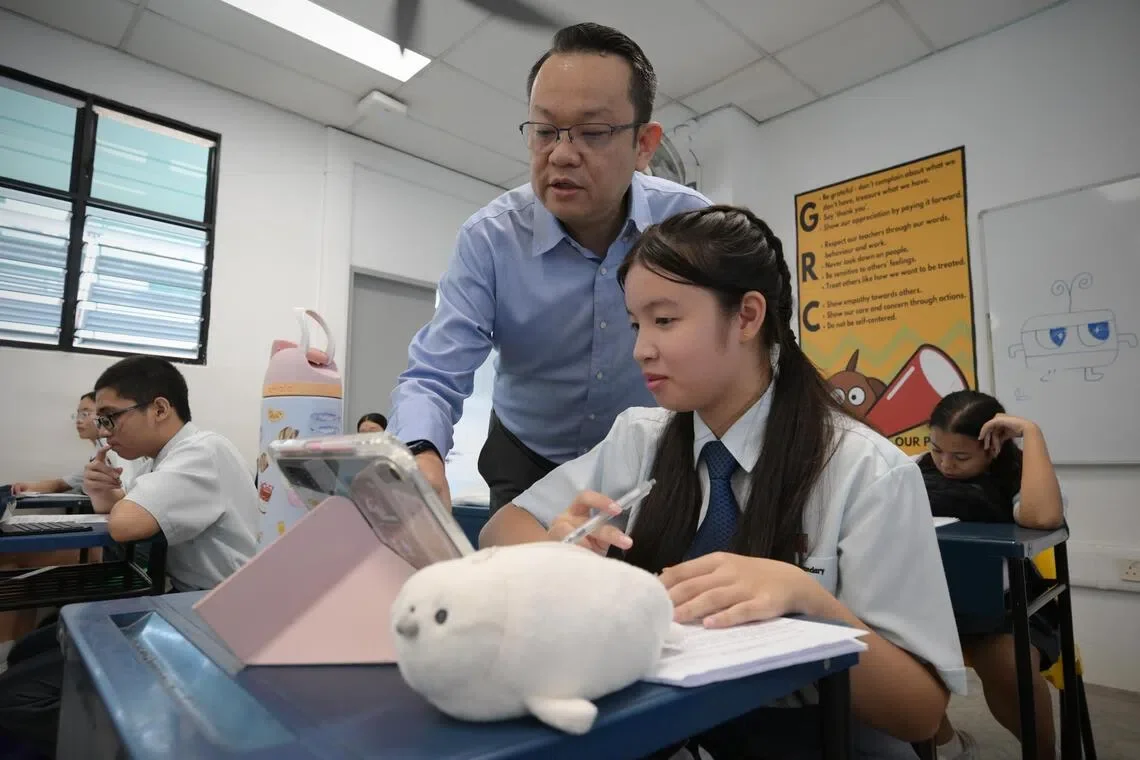
Image Credit: The Straits Times
What is Markly and how does this AI grading tool work?
Markly, first conceptualised by MOE in 2025, is a learning feedback assistant designed for subjects that require long-form written answers. When a student submits an essay, the grading AI analyses the text and generates detailed feedback suggestions based on the subject's marking rubric.
However, the teacher remains firmly in control. They must review every suggestion from the AI, and can choose to edit, accept or reject the feedback before it is sent to the student. The final grade and comments still come from a human educator.
The impact on efficiency is remarkable. A task that might have taken a teacher a whole term, like marking 6 drafts of an essay for a class, can potentially be completed in just 3 weeks with Markly's assistance. This allows for more rounds of feedback, helping students improve their writing iteratively.
What does AI essay grading mean for your child’s learning?
For many parents, the immediate question is about fairness and effectiveness. Will a machine truly understand my child’s argument? The goal is to combine the speed of an AI grader with the nuanced understanding of a human teacher.
On one hand, the benefits are clear:
Faster Feedback: Students no longer need to wait weeks to get their essays back. Quicker turnaround times mean they can act on feedback while the assignment is still fresh in their minds.
More Detailed Corrections: The AI is trained to spot grammatical errors, spelling mistakes and structural issues with high accuracy, freeing up the teacher to comment on more complex ideas like argumentation and analysis.
Consistency: An AI essay grader applies the same rubric consistently to every single script, removing potential human fatigue or bias from the initial marking stages.
On the other hand, an algorithm has its limits. While an AI essay grading tool can check if a point is supported by evidence, it may struggle to appreciate a particularly creative or insightful line of reasoning. It can identify a weak thesis statement, but it cannot have a conversation with your child to explore their thinking process and guide them towards a stronger argument. This is where the human element remains irreplaceable. For deep learning, feedback must be a dialogue, not just a data report. Structured guidance from an experienced tutor, who can interpret both the AI's feedback and the student's own voice, is crucial for bridging that gap and achieving true mastery.

Image Credit: Caleb Oquendo
What AI assessment tools are used in Singapore schools?
Markly is the latest, but not the only, AI tool MOE has introduced. Since late 2023, several assistants have been rolled out. The landscape of AI-powered learning is growing, both within MOE's ecosystem and from third-party developers.
How can students adapt and succeed with AI grading?
This new reality doesn't change the fundamentals of good writing, but it does create opportunities for students who learn to work with the system.
Here are 3 strategies for your child:
1. Master the Rubric: AI tools are built on rubrics. Students must learn to write directly to the assessment objectives. This means clear thesis statements, well-structured paragraphs (like the Point, Evidence, Explanation, Link model), and precise use of keywords.
2. Use Feedback as a First Draft Check: Encourage your child to see the AI's instant feedback as a gift. It allows them to fix technical errors quickly, so the feedback they receive from their teacher can focus on higher-order concerns like the quality of their argument and critical analysis.
3. Don't Lose Your Voice: The best essays will always have a spark of originality and a clear authorial voice. Reassure your child that the goal isn't to write like a machine, but to use the machine to perfect the technical aspects of their writing, letting their unique ideas shine through.
Ultimately, the introduction of AI in the classroom is designed to enhance, not diminish, the role of our dedicated teachers. By handling the repetitive parts of marking, tools like Markly free up educators to do what they do best: inspire, challenge and mentor our children. For parents seeking to complement this process with focused, human-led mentorship, you can find out more about our secondary and junior college tuition programmes.

Image Credit: Shantanu Kumar
Frequently asked questions
What is the Markly AI grading tool used in Singapore education?
Markly is an AI grading tool being piloted by Singapore's Ministry of Education (MOE) to help teachers provide faster feedback on essays in secondary schools. This grading ai assists with marking subjects that require long-form answers by generating feedback suggestions that teachers must review, edit and approve before they are sent to students.
Will an AI grader replace my child's teacher for marking essays?
No, the Markly AI grader is designed to assist teachers, not replace them, as the human teacher remains in full control of the final assessment. The AI provides feedback suggestions based on a rubric, but the teacher must review, edit, accept or reject every suggestion before the final grade and comments are given to the student.
What are the benefits of AI essay grading for students?
The main benefits of AI essay grading for students are faster feedback, more detailed corrections and consistent marking. With an AI essay grader, students can receive corrections for grammatical and structural errors much more quickly, allowing them to improve their work faster and get higher-level feedback from their teacher on their arguments and ideas.
How can my child write better essays for an AI grading system?
To succeed with an AI grading system, students should focus on mastering the marking rubric by using clear thesis statements and well-structured paragraphs. Since an ai grading tool is built on rubrics, writing directly to the assessment criteria is key. Students can also use the AI's instant feedback to fix technical mistakes before their teacher reviews the essay for deeper critical analysis.
What subjects is the MOE AI tool Markly being used for?
The MOE AI tool Markly is currently being piloted in some secondary schools for Geography essays. The Ministry of Education plans to expand the use of this AI grading tool to other subjects that require long-form written answers, including English, History and Social Studies.
Find the Right Learning Support at Every Stage
Building strong study habits takes patience, especially when academic demands pick up. If your child needs an extra hand making difficult topics click, Geniebook offers targeted support across every stage. Find AI-personalised worksheets and live classes for primary and secondary school at Geniebook, comprehensive secondary, IB and JC subject tuition at AfterSkool or dedicated physics masterclasses at Tuition Physics and Best Physics Tuition.