
H2 Chemistry Paper 1 Time Crunch: A Student's Race Against the Clock for the 2027 A-Levels
Why does H2 Chemistry Paper 1 feel so rushed?
The H2 Chemistry MCQ paper (Syllabus 9729) is designed to be demanding. With only 60 minutes for 30 questions, the pressure is immense. According to a reputable education centre, this strict time allocation is a primary reason many students cannot complete the paper.
Several factors contribute to this pressure cooker environment:
Challenging questions: These are not simple recall questions. They require deep conceptual understanding and application, often involving multiple steps or tricky distractors.
Shift in exam style: As observed by students, Cambridge and SEAB are increasingly moving away from rote memorisation. They now focus on testing a student's ability “to think on their feet and in the moment,” which requires rapid mental processing.
Accumulating delays: Spending an extra 30 seconds on several questions quickly adds up. A small delay on six questions means you've lost the time for one and a half entire questions by the end.
The panic spiral: Realising you're behind schedule can trigger panic, which clouds judgement and leads to more errors, wasting even more time.
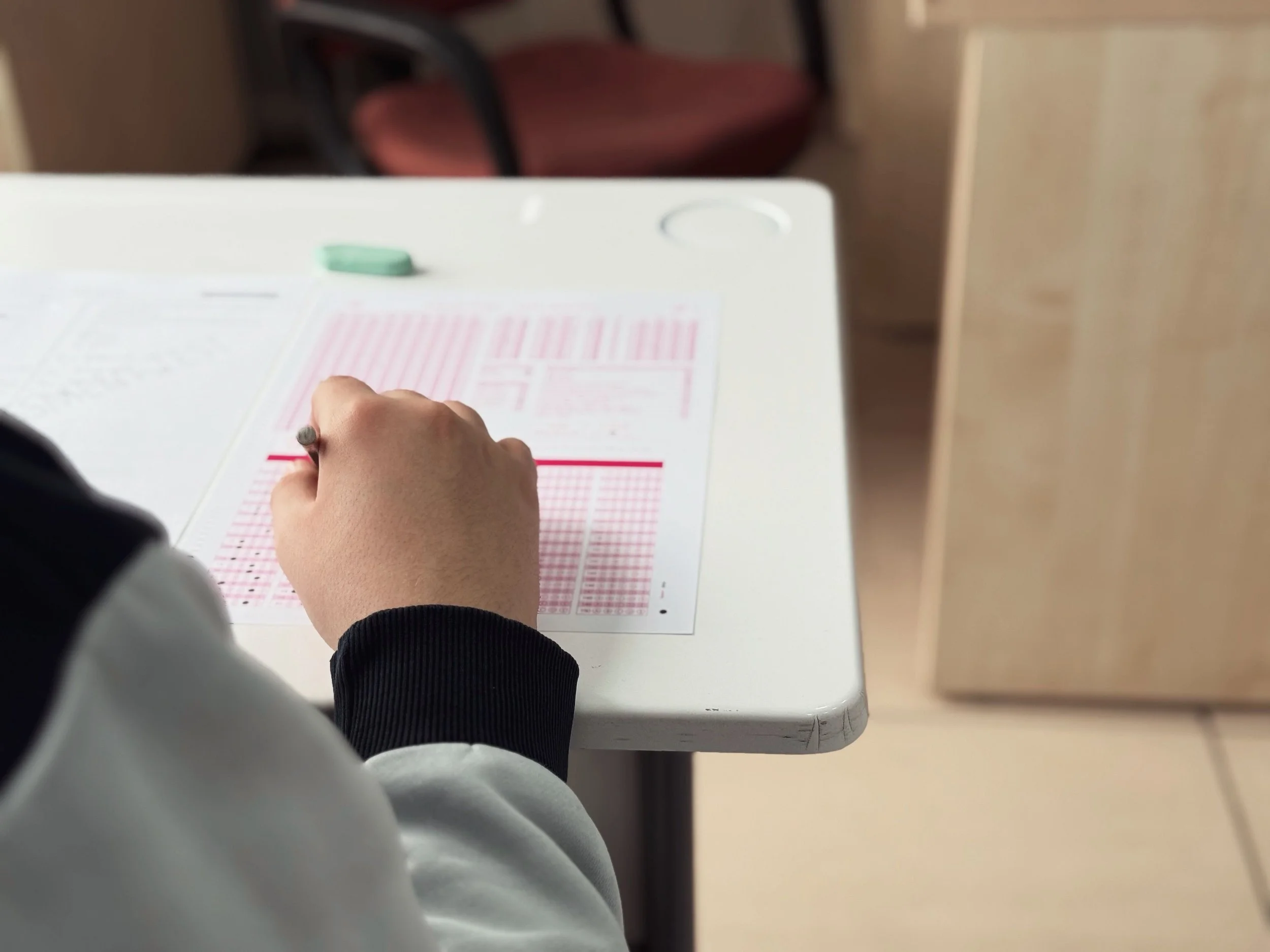
Image Credit: This and No Internet 25
The real reasons students lose time: It’s more than just speed
It’s a common misconception that the solution is simply to “work faster.” The root causes of time loss are often more subtle. Based on our experience with JC students, the problem usually lies in one of these areas:
Inefficient methods: Choosing a long, multi-step calculation when a conceptual shortcut or estimation could have yielded the answer much faster.
Struggling to start: Hesitation at the beginning of a question signals a gap in concept recognition. Students waste precious seconds trying to figure out which topic the question is even testing.
Computational errors: A simple slip of the finger on the calculator can force a student to restart a calculation. This is a frustrating and time-consuming setback.
Lack of realistic practice: Many students practise questions from the Ten Year Series (TYS) without a timer. While this is fine for initial learning, it doesn't build the stamina or discipline needed for the actual exam.
For parents supporting their children through JC2, understanding these distinctions is key. It's not about nagging them to 'be faster,' but helping them identify why they are slow.

Image Credit: Pavel Danilyuk
4-Step strategy to master the H2 Chemistry MCQ paper
Beating the clock in Paper 1 requires a strategic approach, not just brute force. Here is a proven method we use to prepare students for the demands of H2 Chemistry.
1. Implement a strict time budget
The two-minute rule is your anchor. Use a watch to pace yourself. If you are still stuck on a question at the 2.5-minute mark, circle it, make an educated guess, and move on. You can come back if you have time at the end. Your goal is to attempt every question.
2. Prioritise the easy marks first
In your first pass through the paper, focus on answering the questions you are confident about. This builds momentum and secures a baseline score. Leave the time-consuming or confusing questions for your second pass. This ensures you don't sacrifice three easy marks because you were stuck on one difficult question.
3. Practise active recognition
During revision, don't just solve problems. Actively ask yourself: “What concept is this question testing? What is the quickest way to solve it?” This trains your brain to categorise problems faster under pressure. Often, a student's biggest hurdle is not knowing the content but failing to recognise how it's being tested. Identifying these patterns is a skill that requires specific, guided practice.
An experienced H2 Chemistry tutor can be invaluable here, pointing out where a student is using a reliable but slow method and introducing them to more elegant, exam-smart shortcuts. This kind oftargeted feedback during timed practice is difficult for students to achieve on their own.
4. Simulate exam conditions religiously
In the months leading up to the “A" Levels, all practice for Paper 1 should be timed. Do a full 30-question paper in 60 minutes. This builds mental stamina and makes the exam environment feel familiar. Afterwards, review not just your wrong answers, but also the questions that took you longer than two minutes. This is where you'll find the biggest opportunities for improvement.
It's a marathon, not a sprint
The time crunch in H2 Chemistry Paper 1 is a known bottleneck for achieving an A grade. However, it is a challenge that can be overcome with disciplined strategy and intelligent practice. By shifting the focus from raw speed to efficient and accurate methods, students can walk into the 2027 "A" Level exams with the confidence to manage the clock, instead of letting the clock manage them.
At our centre, we specialise in helping students develop these critical exam skills. Find out more about how our H2 Chemistry tuition programmes prepare students to tackle the "A" Levels with confidence.
Frequently asked questions
How can I overcome the H2 Chemistry Paper 1 time crunch?
You can overcome the H2 Chemistry Paper 1 time crunch by implementing a strict two-minute rule per question and prioritising easier questions before attempting difficult ones. This approach ensures you secure baseline marks early and prevents you from losing time on single complex problems. Practising under realistic timed conditions is also essential to build the mental stamina required for the exam.
#What are effective A-Level Chemistry exam strategies for MCQ papers?
Effective A-Level Chemistry exam strategies for MCQ papers include active recognition of concepts, using estimation or shortcuts instead of long calculations, and disciplined time management. Instead of attempting questions in order, secure easy marks first to build momentum. Students should also review questions that took longer than two minutes during their practice sessions to identify gaps in understanding.
How should I prepare for the 2027 A-Levels H2 Chemistry paper?
To prepare for the 2027 A-Levels H2 Chemistry paper, you should consistently simulate exam conditions by completing full 30-question papers within 60 minutes. This practice helps you identify inefficient solving methods and improves your ability to categorise problems quickly. Engaging in targeted H2 Chemistry tuition can also provide you with exam-smart shortcuts and expert feedback on your weak areas.
Is A-Level H2 Chemistry MCQ paper harder than other subjects?
The A-Level H2 Chemistry MCQ paper is considered highly demanding because it requires rapid mental processing, deep conceptual understanding, and the ability to apply knowledge under intense time pressure. Unlike simple recall questions, the exam focuses on testing your ability to think on your feet. The strict allocation of 60 minutes for 30 questions is designed to challenge students who rely on rote memorisation.
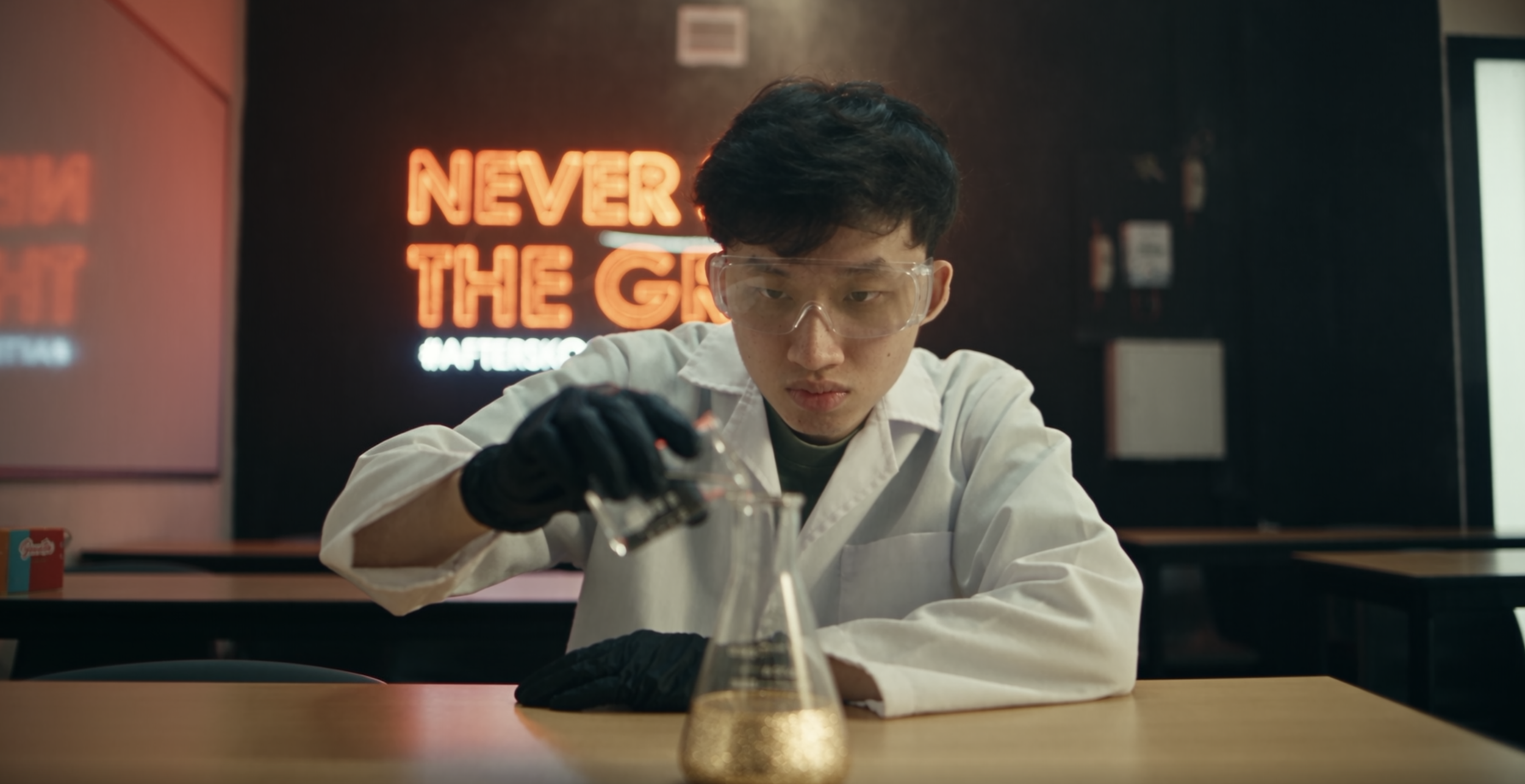
Meet our star Chemistry tutor Gerald, with over 12 years of teaching experience!
Find the Right Learning Support at Every Stage
Building strong study habits takes patience, especially when academic demands pick up. If your child needs an extra hand making difficult topics click, Geniebook offers targeted support across every stage. Find AI-personalised worksheets and live classes for primary and secondary school at Geniebook, comprehensive secondary, IB and JC subject tuition at AfterSkool or dedicated physics masterclasses at Tuition Physics and Best Physics Tuition.