
$8,000 Mortgages and Double Tuition: Is the Academic Arms Race Making Us Ignore WorldSkills Singapore Champions?
The Real Cost of the Education Arms Race
Singaporean parents are spending S$1.8 billion on private tuition annually, a staggering figure that underscores a deep-seated anxiety about academic performance. This relentless pursuit of grades has families taking on $8,000 mortgages to live near a 'good' school and paying for multiple tutors for the same subject. The irony is that some Singaporean studies suggest that this intense tutoring can sometimes lead to worse results in core subjects, even after accounting for socio-economic factors. The pressure cooker environment, as observed by former teachers like Ms. Ang, is leading to anxiety and depression in even high-achieving students. This isn't a sustainable path.
Why Aren't MOE's Changes Easing the Pressure?
The Ministry of Education (MOE) has tried to put the brakes on. They replaced the finely differentiated PSLE T-score with the Achievement Level (AL) system in 2021 and rolled out Full Subject-Based Banding (FSBB) to create more flexible learning paths. Yet, the arms race continues. Why? Because the fear of falling behind is a powerful motivator. This parental anxiety is amplified by a tuition industry and even property agents marketing themselves as "Primary 1 strategists". The social norm, where over 70% of secondary students receive private tuition, is difficult to dismantle with policy tweaks alone.
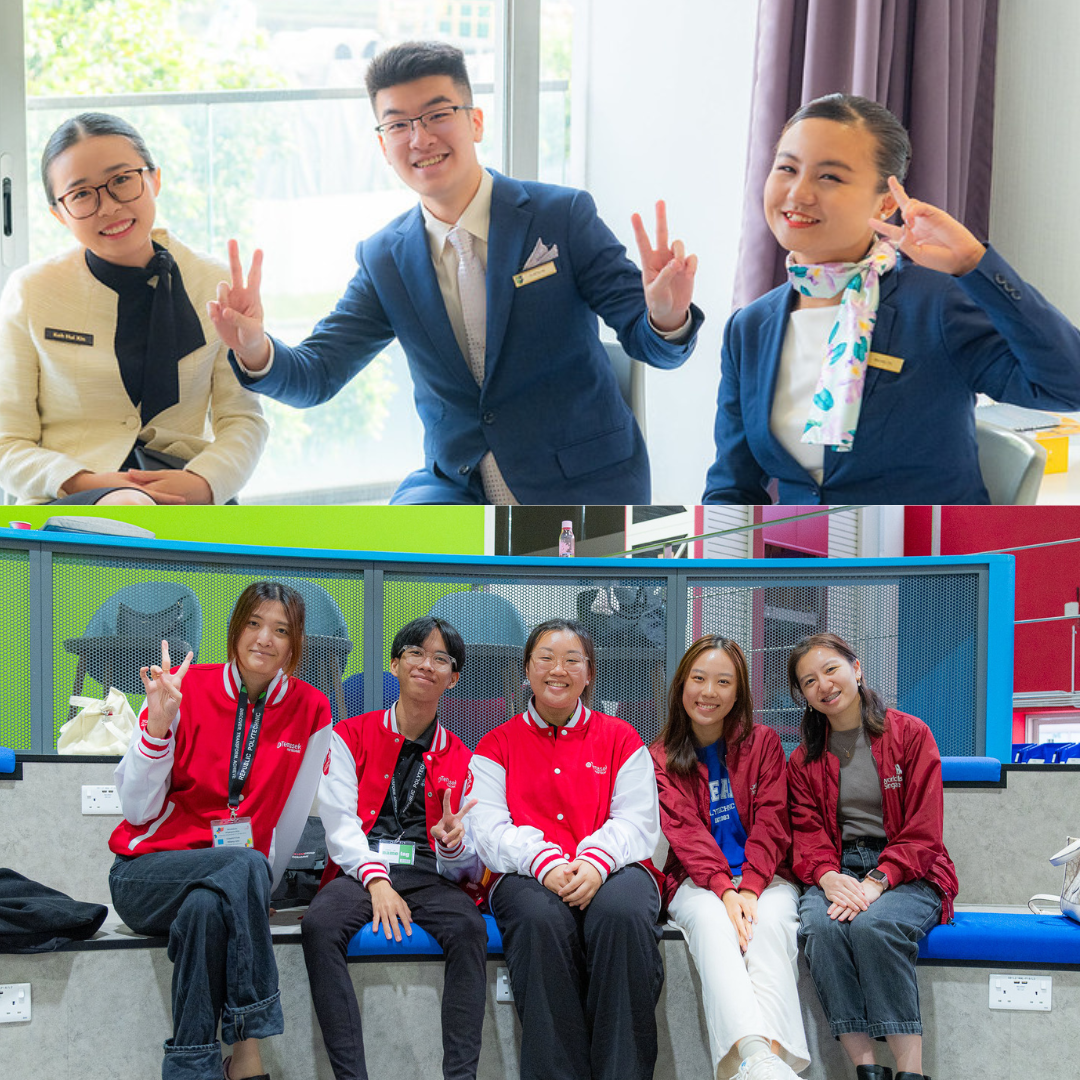
Image Credit: WorldSkills Singapore 2025
Is WorldSkills Singapore the Antidote We're Overlooking?
Amidst the frenzy for AL scores and O-Level distinctions, are we missing a different, equally prestigious path to success? The achievements of our students at WorldSkills Singapore, the veritable 'Olympics of Skills', offer a powerful counter-narrative. This isn't about a backup plan. It's about global excellence in high-demand fields like 3D Digital Game Art, Mechatronics and Web Technologies. These are not just hobbies. They are future-proof careers built on mastery and practical application, a stark contrast to the theory-heavy academic track.
How This Path Differs from the O-Level/A-Level Treadmill
The journey of a WorldSkills competitor is fundamentally different. It prioritises deep, hands-on skill development over rote memorisation for exams. Institutions like ITE and the Polytechnics are the crucibles where this talent is forged, boasting specialised labs and deep industry partnerships that the academic track cannot replicate. Success here is measured not by a grade on a single paper, but by the ability to solve complex, real-world problems under pressure. For many students, this offers a far more engaging and direct path to a meaningful career.

Image Credit: Ronaldo Guiraldelli
A Practical Guide for Parents: Reframing Success
Breaking free from the arms race requires a conscious shift in perspective. It means looking at your child holistically, not just as a collection of grades. Here are a few ways to start:
Look Beyond the AL Score: The PSLE AL system was designed to reduce focus on fine differences. Use that opportunity to identify your child's innate talents. Are they a natural builder, a digital artist, a compelling storyteller? Nurture that spark.
Explore ITE & Poly Open Houses with an Open Mind: Visit these campuses not as a 'Plan B' but as a 'Plan A' for a different kind of success. Talk to the lecturers, see the projects and understand the direct line they offer to vital industries.
Redefine 'Tuition': If your child is struggling with a subject despite hours of tuition, consider if that energy and money could be better spent. Instead of a third Maths tutor, perhaps invest in a coding class, a design workshop or a robotics club. This is not giving up on academics. It is investing in a tangible skill that could lead to a passion and even a spot on the WorldSkills Singapore team.
Ultimately, the education arms race is fuelled by a narrow definition of success. While MOE continues its long-term reforms, parents hold the immediate power to change the narrative for their children. By celebrating diverse talents and exploring pathways built on skill mastery, we can find a healthier, more fulfilling and perhaps even more successful, way forward.
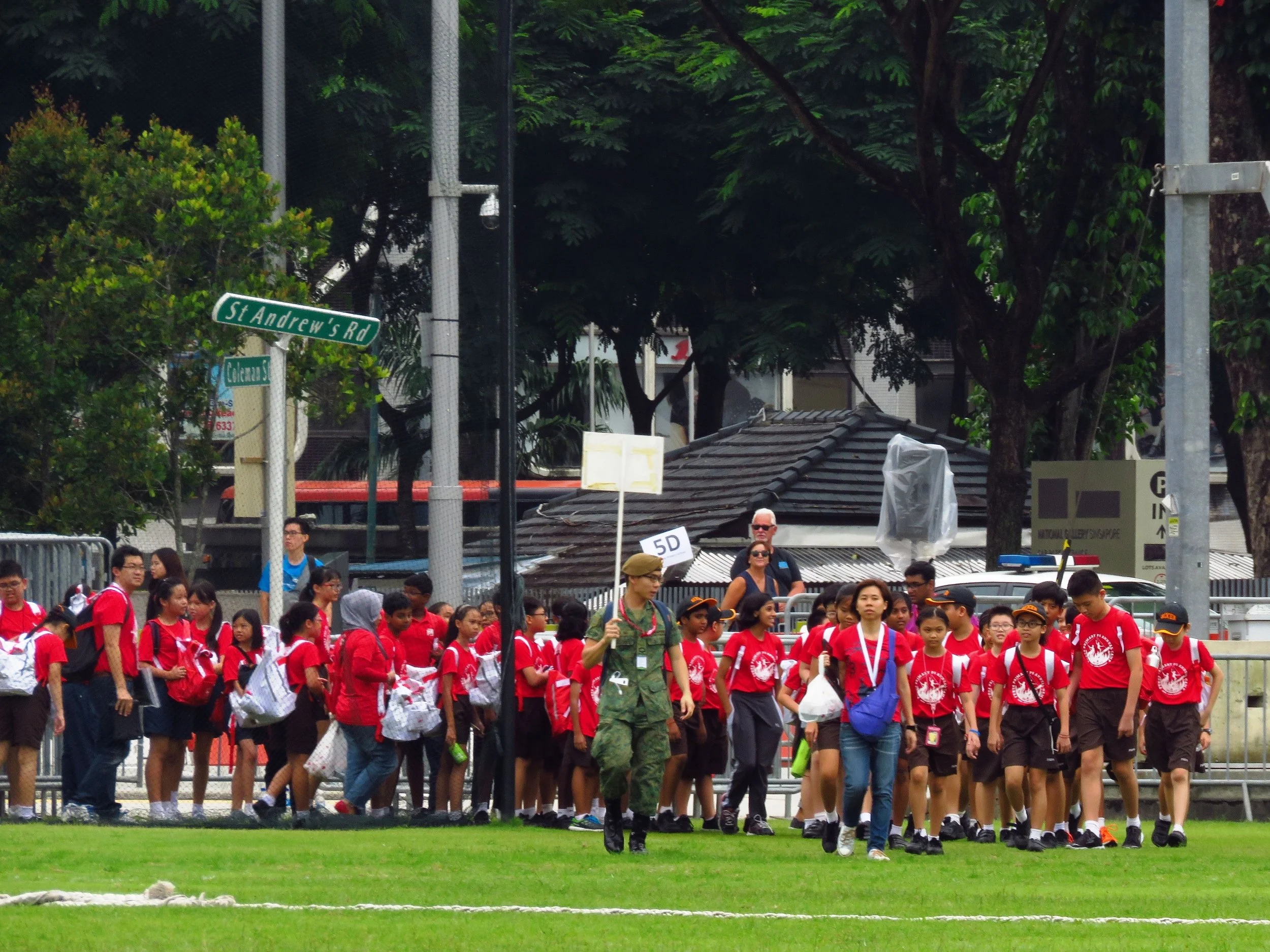
Image Credit: DTS Videos
Frequently asked questions
Why is there still so much pressure in the Singapore education system despite MOE policy changes?
The pressure in the Singapore education system persists because deep-seated parental anxiety and the fear of falling behind remain powerful motivators. This anxiety is amplified by a strong tuition industry and social norms where over 70% of secondary students receive private tuition, making it difficult for policy tweaks alone to curb the education arms race.
What is WorldSkills Singapore and how is it different from the O-Level path?
WorldSkills Singapore is a national skills competition that offers a prestigious alternative to the traditional academic track by focusing on mastery in high-demand fields like Mechatronics and Web Technologies. Unlike the theory-heavy O-Level path, this journey prioritises deep, hands-on skill development in institutions like ITE and the Polytechnics, measuring success by the ability to solve real-world problems rather than by a single exam grade.
Is getting more tuition in Singapore guaranteed to improve my child's grades?
No, getting more tuition is not guaranteed to improve grades, as some Singaporean studies suggest that intense tutoring can sometimes lead to worse results in core subjects. The article also points out that the high-pressure environment associated with the academic arms race can lead to anxiety and depression in students, which may negatively impact their overall wellbeing and performance.
How can I support my child if the traditional academic track isn't their strength?
You can support your child by looking beyond their exam scores to identify and nurture their innate talents, such as in building, digital art or storytelling. Consider exploring ITE and Polytechnic open houses as a primary option, not a backup plan, and think about investing in skill-based classes like coding or design instead of adding more academic tuition.
What was the purpose of the PSLE AL system and Full Subject-Based Banding?
The purpose of MOE policy changes like the PSLE AL system and Full Subject-Based Banding (FSBB) was to reduce the intense focus on fine academic differences and create more flexible learning pathways for students. These reforms were intended to help ease the pressure of the education arms race in the Singapore education system.
Find the Right Learning Support at Every Stage
Building strong study habits takes patience, especially when academic demands pick up. If your child needs an extra hand making difficult topics click, Geniebook offers targeted support across every stage. Find AI-personalised worksheets and live classes for primary and secondary school at Geniebook, comprehensive secondary, IB and JC subject tuition at AfterSkool or dedicated physics masterclasses at Tuition Physics and Best Physics Tuition.