
A-Level Chemistry Lab Mastery: Techniques to Ace the 2027 Practical Exam
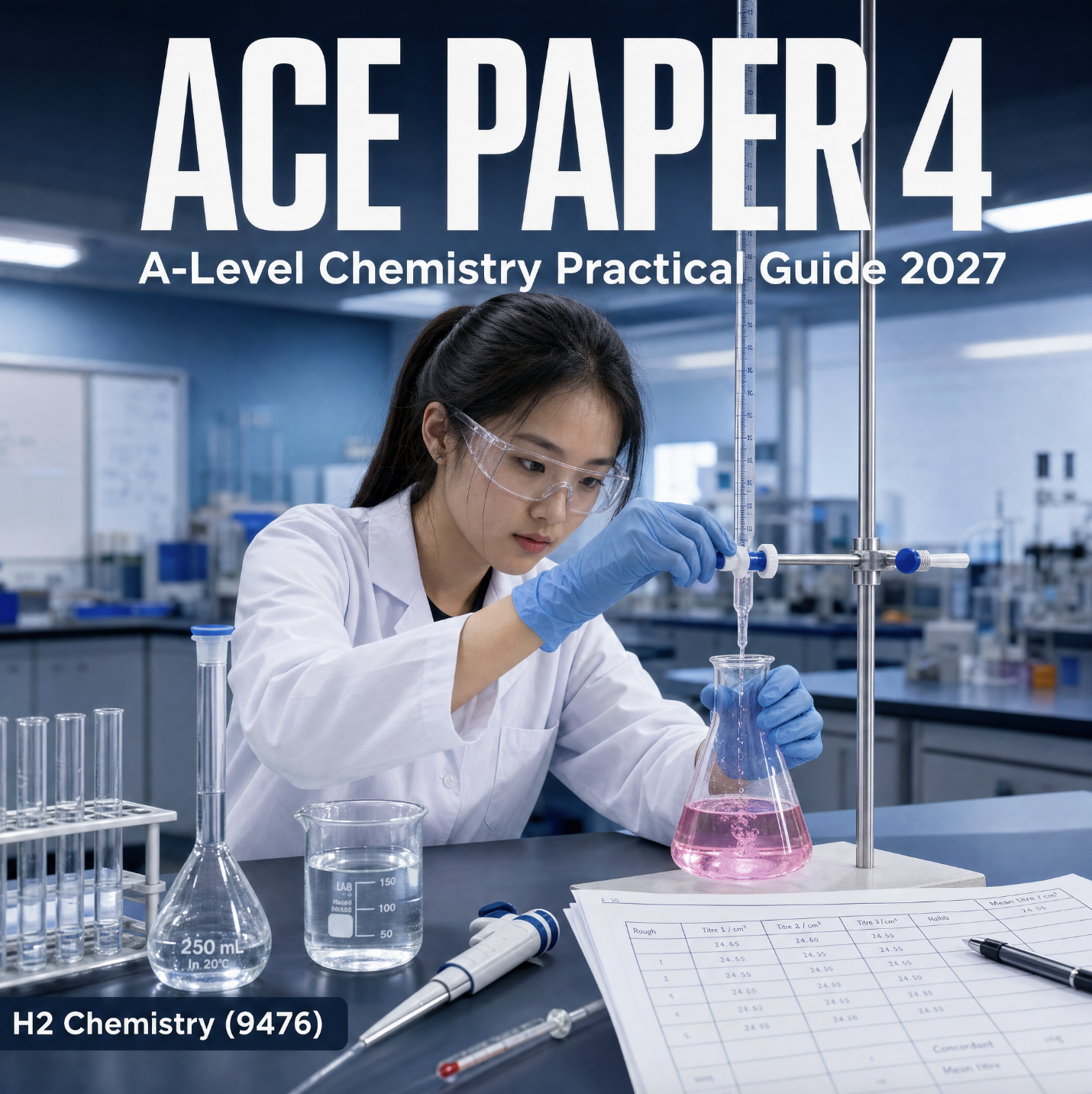
"A" Level chemistry lab mastery: Techniques to ace the 2027 practical exam
Mastering the "A" Level Chemistry practical exam (Paper 4), which accounts for roughly 20% of the final grade, requires more than just theoretical knowledge. For students taking the Singapore-Cambridge advanced level chemistry exam, success in the 2027 H2 Chemistry practical hinges on developing precise lab techniques, consistent practice and a deep understanding of data analysis and reporting. This isn't about memorising steps. It's about demonstrating scientific competence under pressure.
What does the "A" Level chemistry practical (Paper 4) actually test?
Many students view the practical as simply following a recipe. This is a critical misunderstanding. The exam, particularly for the H2 Chemistry (9476) syllabus, is designed to assess the application of concepts in a real laboratory environment. It evaluates a student’s ability to perform experiments, analyse the data they collect and interpret the results with accuracy.
While the exact questions vary each year, the assessment generally focuses on three core areas:
Manipulation, Measurement and Observation (MMO): Your child's ability to handle apparatus correctly, take accurate measurements (e.g., for titration) and make detailed observations (e.g., colour changes, formation of precipitates).
Presentation of Data and Observations (PDO): Recording results in clear, logical tables with correct units and to the appropriate degree of precision.
Analysis, Conclusion and Evaluation (ACE): The largest component. This involves using the data to perform calculations, draw conclusions, identify sources of error and suggest improvements.
It's important to note that the Planning (P) component, while present, carries a much smaller weighting, around 4%, compared to the other sections. The bulk of the marks are won or lost in the execution and analysis phases.
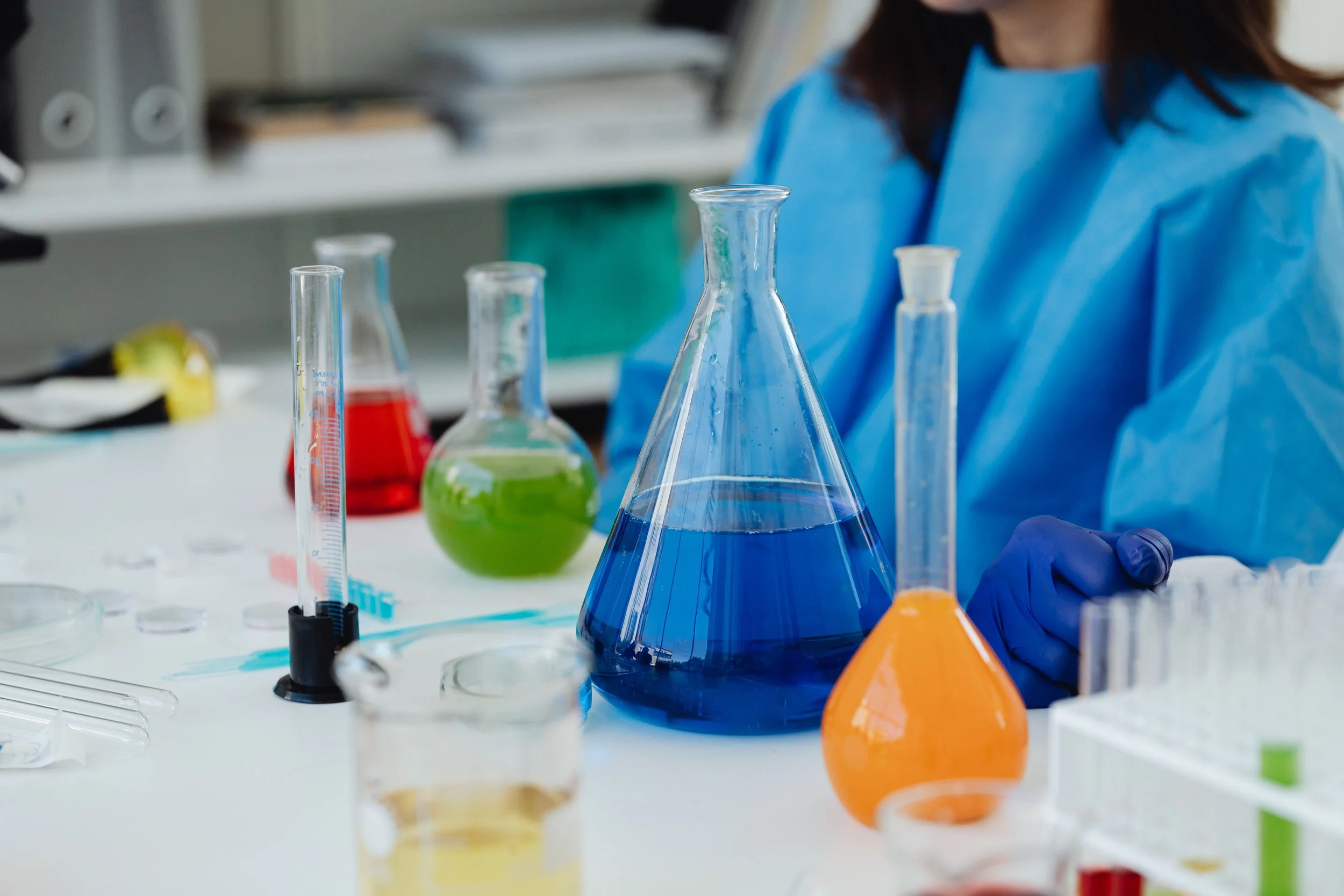
Image Credit: Kaboom Pics
Which lab skills are most critical for a top grade?
Success isn't about one grand gesture but the consistent application of foundational skills. From decades of experience, we've seen students with strong theoretical knowledge falter due to simple lapses in technique.
Key skills to master include:
Titration Precision: This is non-negotiable. It involves correct burette reading (to two decimal places, with the second being a 0 or 5), proper swirling technique and identifying the exact endpoint with a sharp colour change.
Qualitative Analysis (QA): This is the 'detective work' of chemistry. Students must have instant recall of the tests for various cations, anions and gases. Hesitation here costs precious time and can lead to a cascade of incorrect deductions.
Safe Handling of Reagents: Examiners watch for safety. Understanding that common reagents can be irritants or harmful is crucial. Proper technique isn't just about getting the right answer. It's about demonstrating respect for the laboratory environment.
Data Reporting: Recording a temperature reading as '25' instead of '25.0' can cost marks. Understanding the precision of each instrument and recording data accordingly is a hallmark of a top student.
My child has limited lab time in school. How can they catch up?
This is perhaps the most common anxiety we hear from parents. School labs are busy, and curriculum time is tight, often leaving students with limited hands-on opportunities to truly master techniques through repetition. This can create a significant gap between knowing the steps of an experiment and being able to perform it smoothly and accurately under exam conditions.
The disconnect between knowing the theory and performing under pressure is a common hurdle. For students who struggle with limited hands-on opportunities, structured guidance can be invaluable. Expert-led secondary, JC and IB tuition provides a focused environment to practice these techniques, with immediate feedback from experienced tutors to correct mistakes before they become ingrained habits.
Beyond seeking extra help, students can:
Maximise every school practical: Treat each session as a dress rehearsal for the "A" Level Chemistry exam. Work efficiently, record results as if they were being marked and ask the teacher to clarify any points of uncertainty.
Practice reproducibility: A core tenet of science is that results must be reproducible. This is why titrations are done in triplicates to get concordant results. This mindset reinforces the need for consistency.
Focus on reporting: Even without a lab, your child can practice writing out observations. For example, instead of just 'precipitate formed', a high-scoring answer would be 'a white precipitate was formed, which was insoluble in excess aqueous ammonia'. This detail is critical.
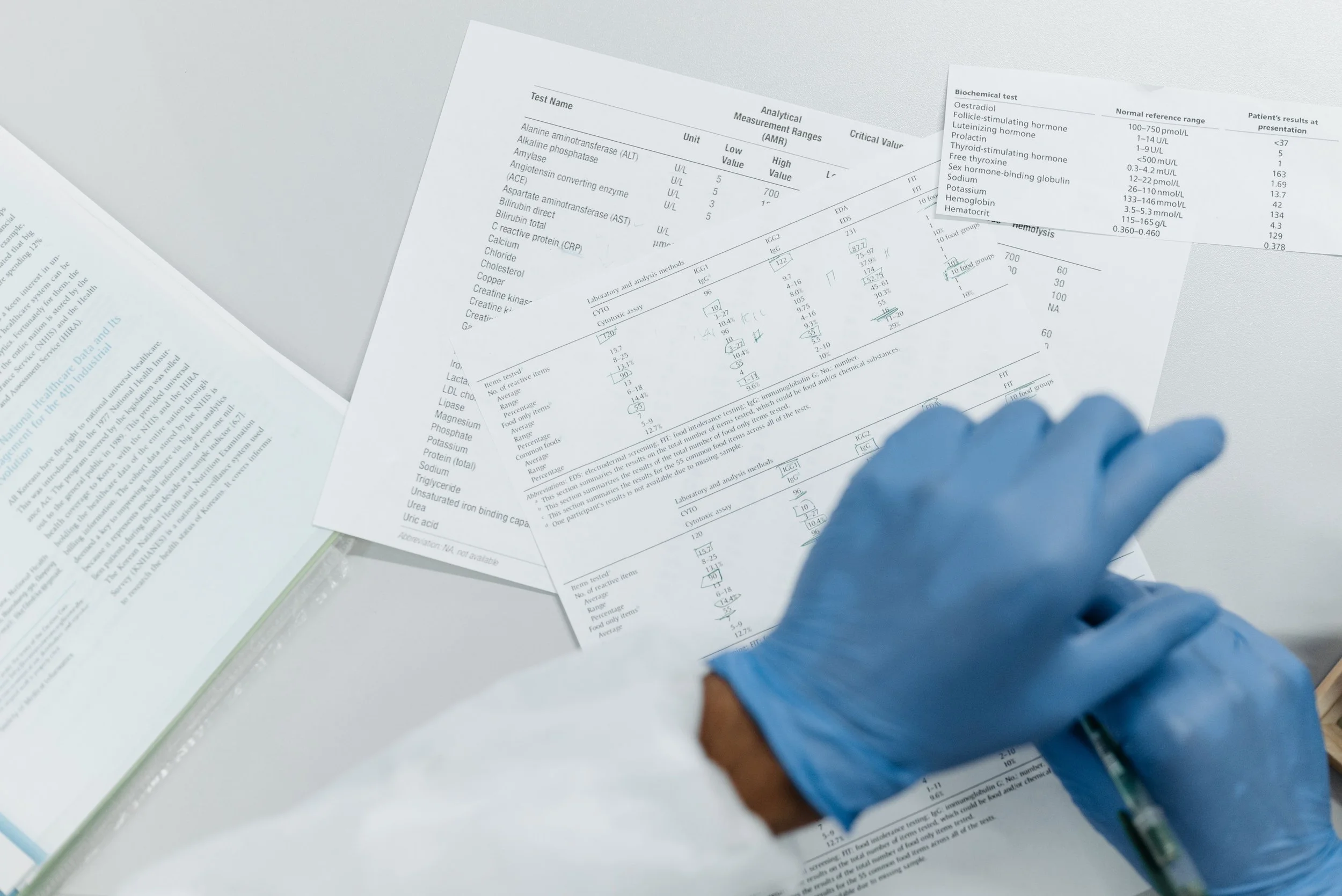
Image Credit: Pavel Danilyuk
What are the most common mistakes in reporting and analysis?
A perfectly executed experiment can be undone by poor reporting. Examiners can only grade what is written on the paper. Here are the errors that repeatedly penalise students:
Incorrect significant figures: Burette readings must be to ±0.05 cm³. A final answer in a calculation should be given to an appropriate number of significant figures (usually 2 or 3).
Poorly drawn graphs: A graph is a data presentation tool. Marks are lost for poorly chosen scales that cram the plot into a corner, unlabelled axes (with units) and thick, clumsy lines of best fit that don't reflect the data points accurately.
Vague qualitative observations: Simply writing 'gas evolved' is insufficient. A student must describe the gas. For example: 'Effervescence observed. A colourless, odourless gas was produced which extinguished a lighted splint with a 'pop' sound, indicating the presence of hydrogen gas.'
While the Singapore H2 syllabus has its specific focus, these core practical skills are universal across major examining boards like the Cambridge International "AS" Level chemistry (CIE) and Pearson Edexcel International "A" Level chemistry curricula.
Final checklist for 2027 "A" Level chemistry practical success
The practical paper can feel unpredictable, but preparation can turn it into a high-scoring component. Years ago, incidents like the 2017 script theft or the 2018 exam paper error reminded us that a strong, balanced performance across all papers is a student's best safeguard. Your child's mastery of Paper 4 is something firmly within their control.
Use this checklist to prepare for the 2027 exam:
Master QA theory: Know the chemical tests for ions and gases by heart. Create flashcards.
Practice reporting: Write full lab reports for past-year questions, focusing on the language of observation and precision of data.
Timed planning drills: The Planning section is often rushed. Practice designing an experiment in 15-20 minutes.
Stay calm: Nerves lead to careless mistakes like misreading a burette or adding the wrong reagent. Deep breaths and a methodical approach are key.
By building these skills systematically, the practical exam becomes a significant opportunity to secure marks. Parents and students looking for structured support to complement their "A" Level chemistry coursebook can learn more about specialised secondary, JC and IB tuition programmes.

Image Credit: Andy Barbour
Frequently asked questions
How much is the a-level chemistry practical exam worth?
The Singapore-Cambridge A-Level Chemistry practical exam, also known as Paper 4, accounts for roughly 20% of the final grade for H2 Chemistry. The exam is designed to assess a student's ability to apply concepts in a real laboratory environment by performing experiments, analysing data and interpreting results accurately. The main components evaluated are Manipulation, Measurement and Observation (MMO), Presentation of Data and Observations (PDO) and Analysis, Conclusion and Evaluation (ACE).
What skills are tested in the h2 chemistry practical exam?
The H2 Chemistry practical exam (Paper 4) primarily tests three core skill areas: your ability to handle lab apparatus and make accurate observations (MMO), your skill in presenting data in clear tables with correct units (PDO) and your capacity for analysing results, drawing conclusions and evaluating errors (ACE). While a Planning (P) component exists for the H2 Chemistry 9476 syllabus, the majority of marks are awarded for the execution and analysis stages of the chemistry practical exam.
What are the most common mistakes in the a-level chemistry practical?
The most common mistakes in the A-Level Chemistry practical relate to poor data reporting and analysis, which can cause students to lose marks even after a well-executed experiment. Key errors include using the wrong number of significant figures in calculations, recording measurements with incorrect precision (e.g. a temperature as '25' instead of '25.0'), drawing poorly scaled or unlabelled graphs and providing vague qualitative observations instead of specific details like the colour of a precipitate.
How should i record burette readings for the h2 chemistry practical?
For the H2 Chemistry practical, all burette readings must be recorded to two decimal places, with the final digit always being a '0' or a '5' (e.g. 24.30 cm³ or 12.15 cm³). This level of precision is a non-negotiable requirement for scoring well in titration experiments, as it demonstrates correct instrument reading and contributes to the overall accuracy of your final results.
How can I improve at qualitative analysis for the advanced level chemistry exam?
To improve at qualitative analysis (QA) for the advanced level chemistry exam, you must have instant recall of the standard tests for various cations, anions and gases. A highly effective preparation method is to create and use flashcards to memorise these chemical tests until they become second nature. When recording observations, always be highly detailed, for example, instead of writing 'precipitate formed', a high-scoring answer would be 'a white precipitate was formed, which was insoluble in excess aqueous ammonia', as this detail is critical for earning marks.
Find the Right Learning Support at Every Stage
Building strong study habits takes patience, especially when academic demands pick up. If your child needs an extra hand making difficult topics click, Geniebook offers targeted support across every stage. Find AI-personalised worksheets and live classes for primary and secondary school at Geniebook, comprehensive secondary, IB and JC subject tuition at AfterSkool or dedicated physics masterclasses at Tuition Physics and Best Physics Tuition.